이것은 개념미술이 (아니)다
This is (Not) Conceptual Art
6.19 - 10.11
국립현대미술관 서울
MMCA Seoul
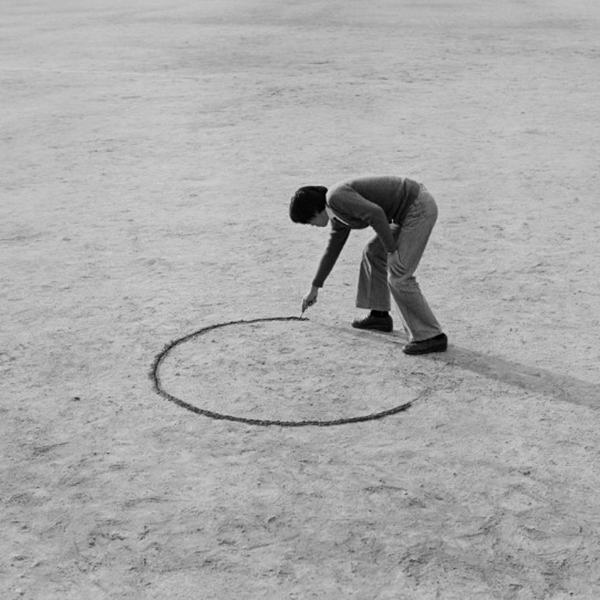
LEE Kun-Yong, , 1975, Print on paper, 51×61cm(4).
Photograph by LEE Wanho. Artist Collection. Courtesy of the Artist and Gallery Hyundai
작품의 외형이나 물질적 결과보다 작가의 아이디어와 개념을 중시 하는 개념미술은 1960년대 중반 서구 미술계에 등장해 시각 중심의 모더니즘 미술에서 배제되었던 말과 언어를 미술의 영역으로 호출하 며 ‘미술이란 무엇인가’라는 근본적인 질문을 제기하였다. 이번 전시 는 미술이 시각(눈)의 대상에서 언어와 사고의 대상으로 이행하는 과 정 속에 나타난 한국현대미술의 개념적 전환을 28명의 작가, 140여 점의 작품들을 통해 살펴본다. 이 전시는 1970-90년대 한국미술의 개념적 전환을 살피는 동시 에 개념미술의 국제적인 확산 속에서 한국 개념미술의 동시대성과 특 수성을 조명하면서 개념미술을 인간과 세계를 새롭게 사유하고자 했던 복합적인 시도들 로서 다시 읽어보고 자 한다. 전시 제목은 한국 개념미술을 하 나의 고정된 개념으 로 묶기보다 작품마 다 펼쳐지는 다양한 의미와 해석의 층위를 열어두려는 기획 의도를 담 았다. 《이것은 개념미술이 (아니)다》는 ‘언어·논리·행위’, ‘사물과 언어’, ‘지도와 측정’, ‘기호의 조정자들’ 네 개의 장으로 구성되었다.
Conceptual art is an approach that emphasizes the artist’s ideas and concepts over the outward appearance or material results of the artwork. It first appeared in Western art in the mid-1960s, raising fundamental questions about what “art” meant as it brought words and language—areas that had been excluded from visually focused modernist art—into the artistic realm. Through around 140 works by 28 artists, this exhibition explores the conceptual shift that occurred in Korean contemporary art amid its transition from the visual (the eye) to language and thought.
The exhibition examines the conceptual shift in Korean art between the 1970s and 1990s while focusing on the contemporariness and singularity of Korean practice amid the global expansion of conceptual art. In the process, it attempts to reexamine conceptual art as a series of complex attempts to consider people and the world through a new lens. 《This is (Not) Conceptual Art》 consists of four chapters: Language, Logic, Performance,” “Objects and Language,” “Mapping and easuring,” and “Manipulators of Signs.